The onboarding process represents one of the most critical stages in a new employee's journey within an organization. It consists of a set of planned actions aimed at integrating the new team member, providing them with the necessary resources, knowledge, and guidance to quickly adapt to the company culture and their role.
A well-structured onboarding program is essential for enhancing the productivity, engagement, and motivation of new employees, ensuring they feel welcomed and aligned with the organization's values and goals.
Typically, this process may extend over several weeks or months, depending on the role’s complexity, organisational maturity and company size, and generally includes three main phases:
Onboarding is a structured process for integrating new professionals into an organization. More than just a first day at work or a welcome session, it is a set of practices that ensures the employee understands the company culture, objectives, and the role they will perform within the organisation.
An effective onboarding promotes cultural alignment, accelerates adaptation to roles, and contributes to motivation and talent retention.
This process can extend over several weeks or months, depending on the complexity of the role, the strategic maturity, and the size of the organization, encompassing three main phases:
It is important to maintain an excellent balance between the three dimensions: bureaucratic (procedural), technical (role-oriented), and emotional (engagement).
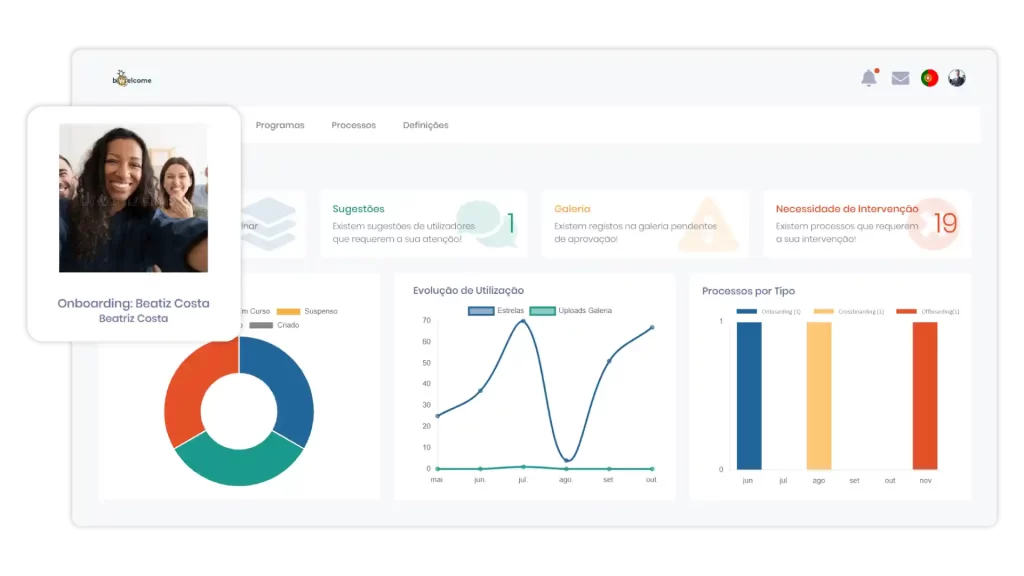
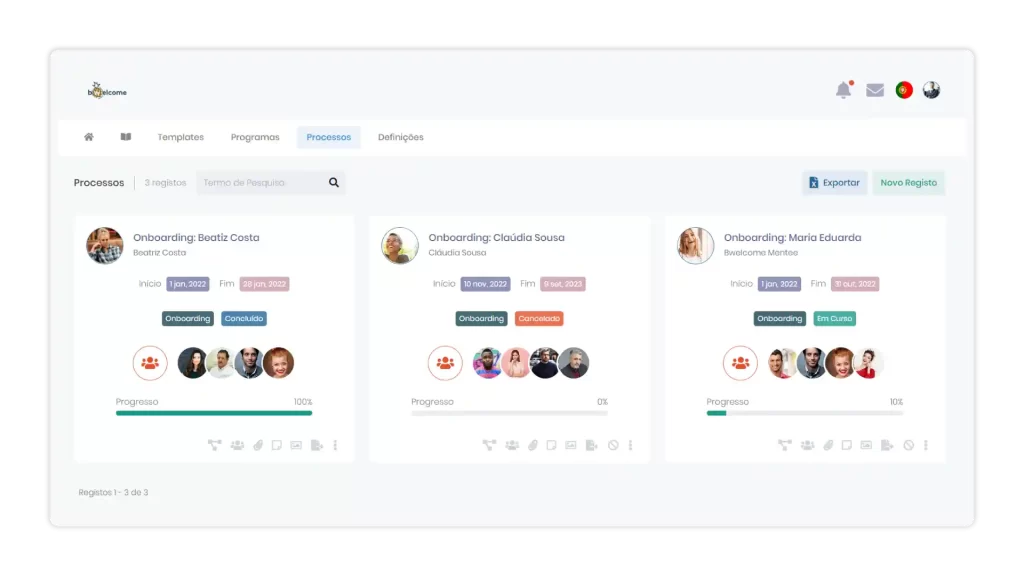
The onboarding software, BWelcome from uMan Xpert, allows you to digitize and automate the entire process, ensuring an efficient, consistent integration aligned with the organisational culture.
Onboarding goes far beyond simply welcoming a new employee on their first day. It is a strategic investment that can directly influence performance, engagement, and talent retention within the organisation.
A well-structured onboarding program ensures that the employee clearly understands their role, the company culture, and the tools needed to perform their duties successfully. This process accelerates adaptation, reduces initial errors, and enhances productivity from the very first days.
When onboarding is effective, the employee feels more confident, integrated, and motivated, resulting in better performance in both the short and long term. The main benefits include:
Employees who go through a structured and engaging onboarding process adapt more quickly. This process enables them to understand their responsibilities and how they can contribute to the company’s objectives from the first day. Having clarity on where to find information, the resources they will use, and who to contact when needed makes work more efficient and secure. This results in a holistic learning process and an increase in initial productivity.
From the first day, the onboarding process is an opportunity to communicate the organisation’s mission, vision, and values. When employees understand how their work contributes to overall objectives, their sense of purpose and commitment to results is strengthened.
A well-planned onboarding is crucial for talent retention. When new employees feel supported and integrated, the likelihood of leaving the company during the first few months—a critical period for turnover—decreases. The confidence conveyed during the welcoming process reinforces a sense of belonging and reduces frustration that may arise from a lack of clarity about roles and expectations. When employees gain a quicker and better understanding of the organisation and its processes, they naturally become more motivated to embrace them, feel valued, and experience a direct positive impact on both their emotional and professional engagement.
The initial phase is critical for talent retention. An organized process reduces uncertainty, clarifies expectations, and demonstrates investment in employee development. This initial support, combined with structured follow-up, leads to greater dedication and loyalty to the company, which generally results in a lower likelihood of early departures and cost savings associated with hiring and training new team members.
Onboarding is the ideal opportunity to reinforce practices, behaviours, and principles that form the company’s DNA, ensuring that each new employee incorporates and reflects this identity in their daily work. Ensuring understanding of the organisational culture promotes behaviours aligned with the organisation’s objectives and fosters a positive work environment. It is also the perfect phase to create opportunities for the new employee to meet colleagues and establish relationships from the outset. This has a positive impact on the individual as well as on the team, accelerating the sense of belonging and encouraging future collaboration. This constructive approach facilitates Social and relational integration, strengthening team spirit..
Companies that provide positive onboarding experiences are naturally more attractive in the job market. An employee who undergoes a structured integration forms a positive first impression and is likely to share that experience, strengthening the organisation’s reputation as an excellent place to work and helping to attract new talent. Enhancing the employee experience is one of the main goals of onboarding, especially because the first contact with the organisation has a lasting impact that further strengthens the relationship between employee and company.
Implementing an effective onboarding process requires detailed planning and a focus on providing a structured and positive experience for new employees. A successful onboarding should not be seen as a one-time event but as a continuous process that begins before the first day of work and extends through the first months within the organisation.
For onboarding to achieve its objectives — integrating the employee, aligning expectations, and enhancing their success — it is essential to adopt a strategic approach that encompasses technical, cultural, and social aspects.
Among the best practices to consider:
Onboarding should begin before the new employee’s first day of work. Advanced planning is essential to ensure that everything is prepared to welcome the new team member in an organized and efficient manner.
Among the key actions for this phase are:
The first day of work is crucial for creating a positive first impression and laying the foundation for effective integration. A structured schedule with planned activities makes all the difference in the new employee’s experience.
Some essential elements for this phase include:
During the first few weeks, it is essential that the employee receives specific training to understand the tools, systems, and processes required for their daily work. This technical integration phase may include:
Onboarding does not end after the first week. Ongoing support is essential to ensure that the employee is adapting and progressing consistently. Key best practices in this phase include:
Onboarding should also focus on social integration and strengthening the organisational culture. Creating opportunities for the employee to feel part of the team and to gain a deep understanding of the company’s values is essential for a complete integration experience.Some recommended practices include:

Employee onboarding is one of the most strategic tasks for human resources managers. Studies show that a positive experience from the first day significantly reduces the likelihood of the employee leaving the company within the first few months.
For the new employee to feel comfortable and integrated, it is essential to provide all the necessary information and resources, create a positive welcoming environment, and promote continuous feedback.
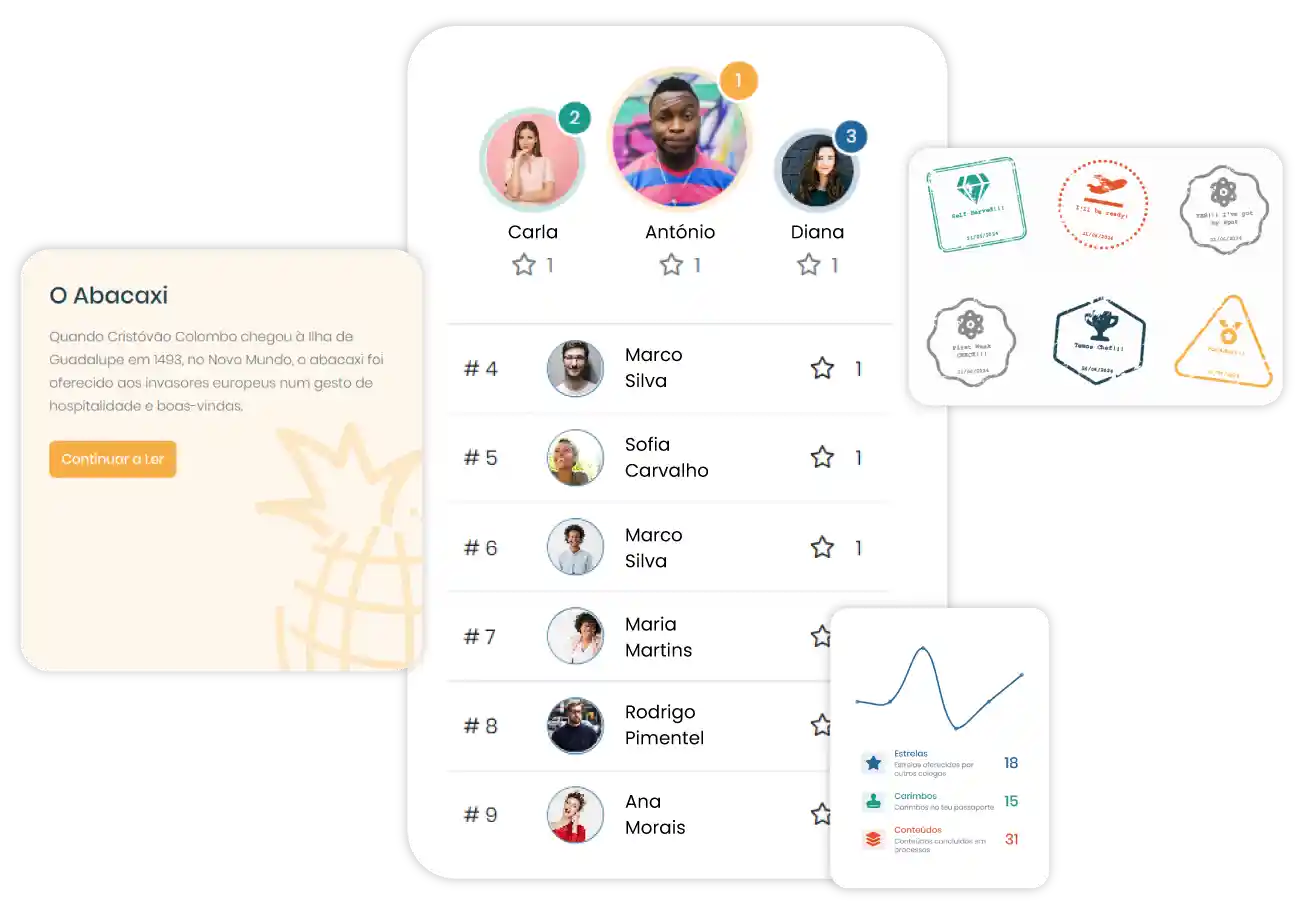
Digital onboarding accelerates the integration process and provides a more consistent and satisfying experience. With BWelcome, it is possible to implement these practices in an automated and effective way, ensuring that each employee begins their journey with clarity and motivation.
For human resources managers, it is crucial to develop a comprehensive integration plan, covering all stages and using digital tools to optimise and accelerate the process. Onboarding software thus represents the ideal solution to modernise integration and maximise results.